Ibadan, 24 September 2026. – Space Norway is marking 40 years of satellite operations at its Nittedal Teleport near Oslo, highlighting the evolution of the facility from a television uplink station into one of Europe’s largest satellite earth stations. The site now operates more than 50 satellite antennas and supports broadcasting, broadband and critical data services.
From television uplink to satellite hub

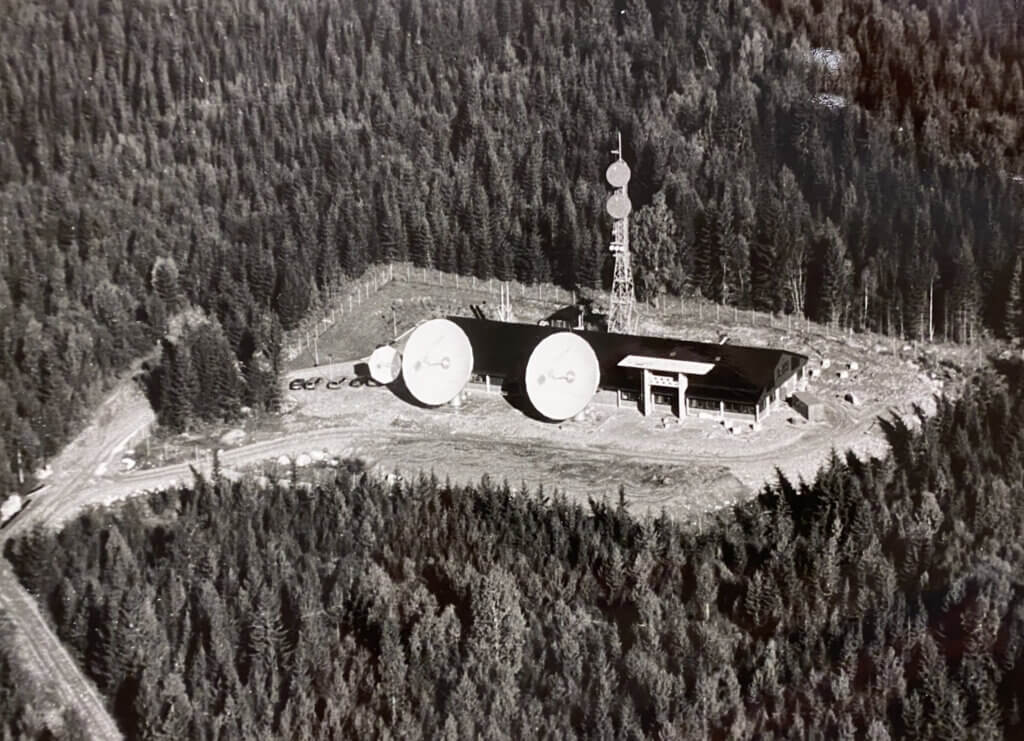
Nittedal opened in 1986 with two 13-meter antennas used to uplink NRK television programming for distribution to Svalbard and oil platforms in the North Sea. Over four decades, the facility has expanded alongside the development of commercial satellite communications, supporting the growth of the THOR satellite fleet and later adding high-capacity broadband services for maritime and offshore customers.
Nittedal’s role expanded significantly in the 1990s as Norway’s satellite communications activities grew. In 1992, Telenor (then Norwegian Telecom) acquired the Marco Polo 2 satellite from British Satellite Broadcasting and renamed it THOR 1, establishing the first satellite in what would become the THOR fleet.
Two years later, Nittedal supported international broadcasting for the Lillehammer Winter Olympics, carrying around 800,000 minutes of communications traffic from six locations using 16 satellites. The arrival of THOR 2 and THOR 3 later in the decade further expanded the site’s role in commercial satellite television across the Nordic region.
From broadcasting to broadband
Digital encoding, compression and multiplexing reshaped Nittedal’s operations in the 2000s, while THOR 5 and THOR 6 expanded the teleport’s capacity for digital television and HDTV. The next major shift came with THOR 7 in 2015, whose Ka-band capacity helped move Nittedal beyond traditional television and into high-capacity broadband for maritime customers, cruise ships and offshore installations.
The teleport now handles satellite signals for television, radio, telephony and data, supporting services delivered through satellite, terrestrial networks, IPTV and online platforms.
Today, Nittedal forms part of the ground infrastructure supporting Space Norway’s satellite operations, with tracking, telemetry and command (TT&C) systems providing communications with satellites in the THOR fleet and linking them with the company’s satellite control operations. The teleport also supports broadcasting, maritime, offshore and other satellite communications services for customers.
Supporting the next generation of THOR satellites
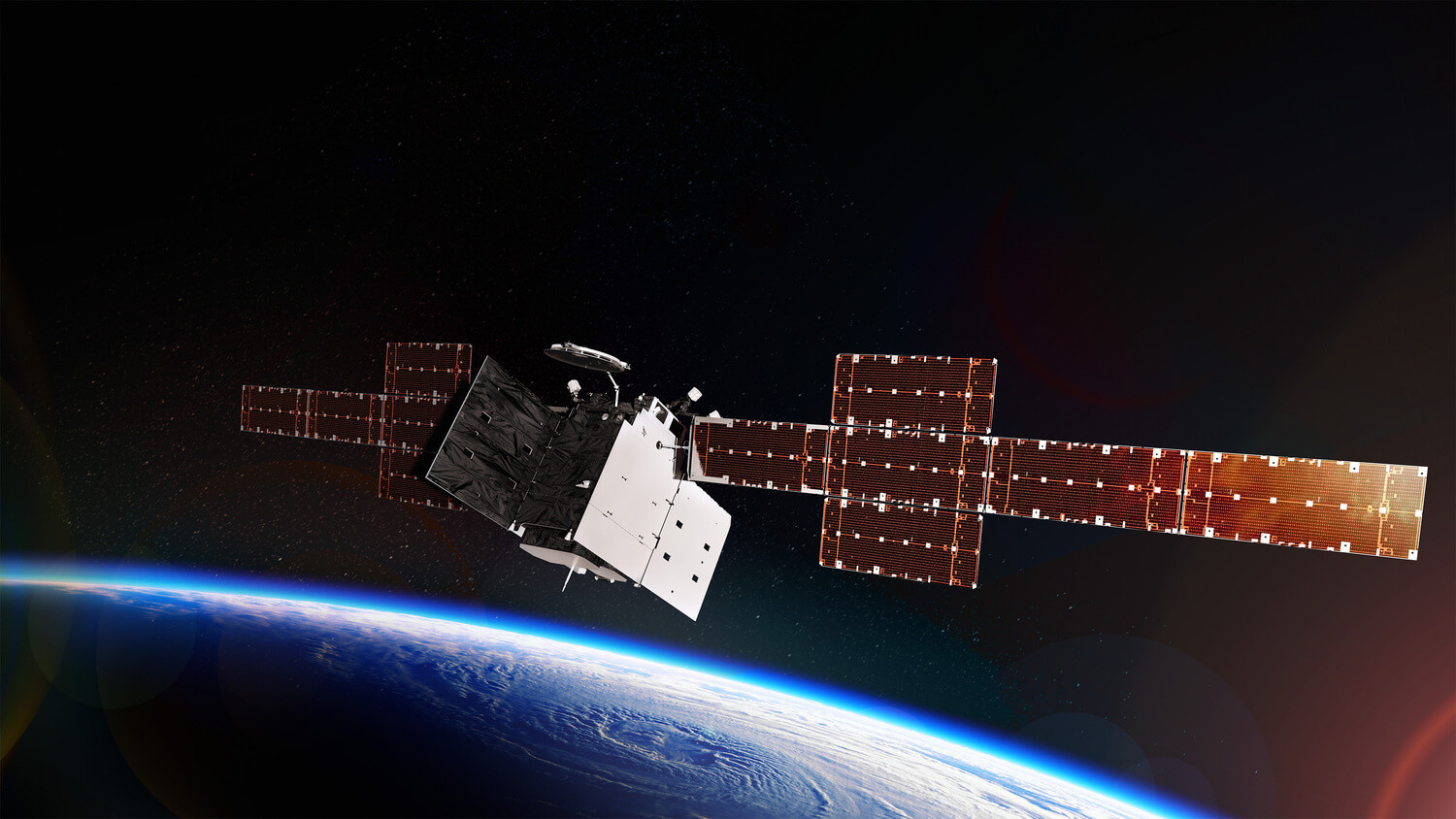
Nittedal’s role is set to continue evolving alongside Space Norway’s satellite fleet as the company prepares to add THOR 8 to its geostationary satellite fleet in 2027. The satellite is designed to provide additional Ku- and Ka-band capacity for broadcasting and connectivity services across Europe, the Middle East, West Africa and key maritime corridors.
After four decades, Nittedal remains an important part of Space Norway’s satellite infrastructure, supporting both customer services and operations for the company’s fleet. Its evolution from a television uplink facility into a broader satellite communications and operations hub reflects the changing requirements of the satellite industry, with the site now preparing to support the next phase of Space Norway’s THOR fleet.