At SmallSat Europe in Amsterdam, SITAEL did not present itself as another startup chasing constellation hype. Instead, the Italian company positioned itself as something Europe increasingly needs: an industrial player capable of building, integrating and delivering sovereign space infrastructure at a time when European autonomy is becoming directly tied to manufacturing capability.
That positioning became tangible with ESA’s selection of HiBiDiS, a new Scout mission focused on forest biodiversity monitoring, where SITAEL will act as prime contractor.

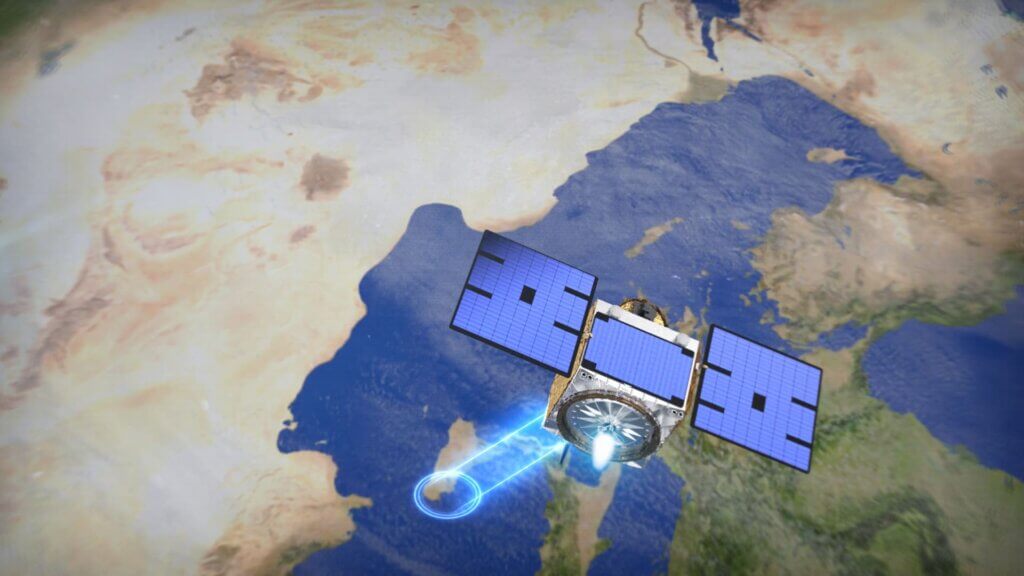
The mission itself is scientifically ambitious. Using multi-angular hyperspectral imaging, HiBiDiS aims to observe not only forest canopies, but also the biodiversity hidden beneath them. Yet the significance of the announcement reaches beyond Earth observation science.
For SITAEL, HiBiDiS validates a decade-long strategy built around vertical integration, electric propulsion and medium-class satellite platforms designed for high-value missions.
“We invested before the market was fully ready,” CEO Chiara Pertosa said during the press conference. “Today, the market is moving towards the capabilities we have built.”
Why SITAEL Fits the HiBiDiS Mission
ESA’s Scout missions are intentionally demanding.
They combine scientific objectives with compressed development timelines, limited budgets and a requirement for industrial agility. ESA representatives at the conference described the programme as an attempt to merge the agency’s scientific heritage with the fast-paced execution style associated with and demanded by Europe’s NewSpace sector.
To fulfil these programme demands, SITAEL’s structure became central to the HiBiDiS selection.
Unlike many European small satellite integrators, the company controls both satellite platform development and electric propulsion technology internally. SITAEL doesn’t simply integrate propulsion systems from suppliers, but it develops Hall-effect thrusters, cathodes, propulsion electronics and onboard systems under one industrial framework.
This matters particularly for the 200-500 kilogram satellite segment SITAEL is targeting. According to Pertosa, the segment has become strategically important because it combines flexibility, reliability and the ability to host advanced payloads without depending on fragile supply chains.
ESAs HiBiDiS sits directly inside that niche.
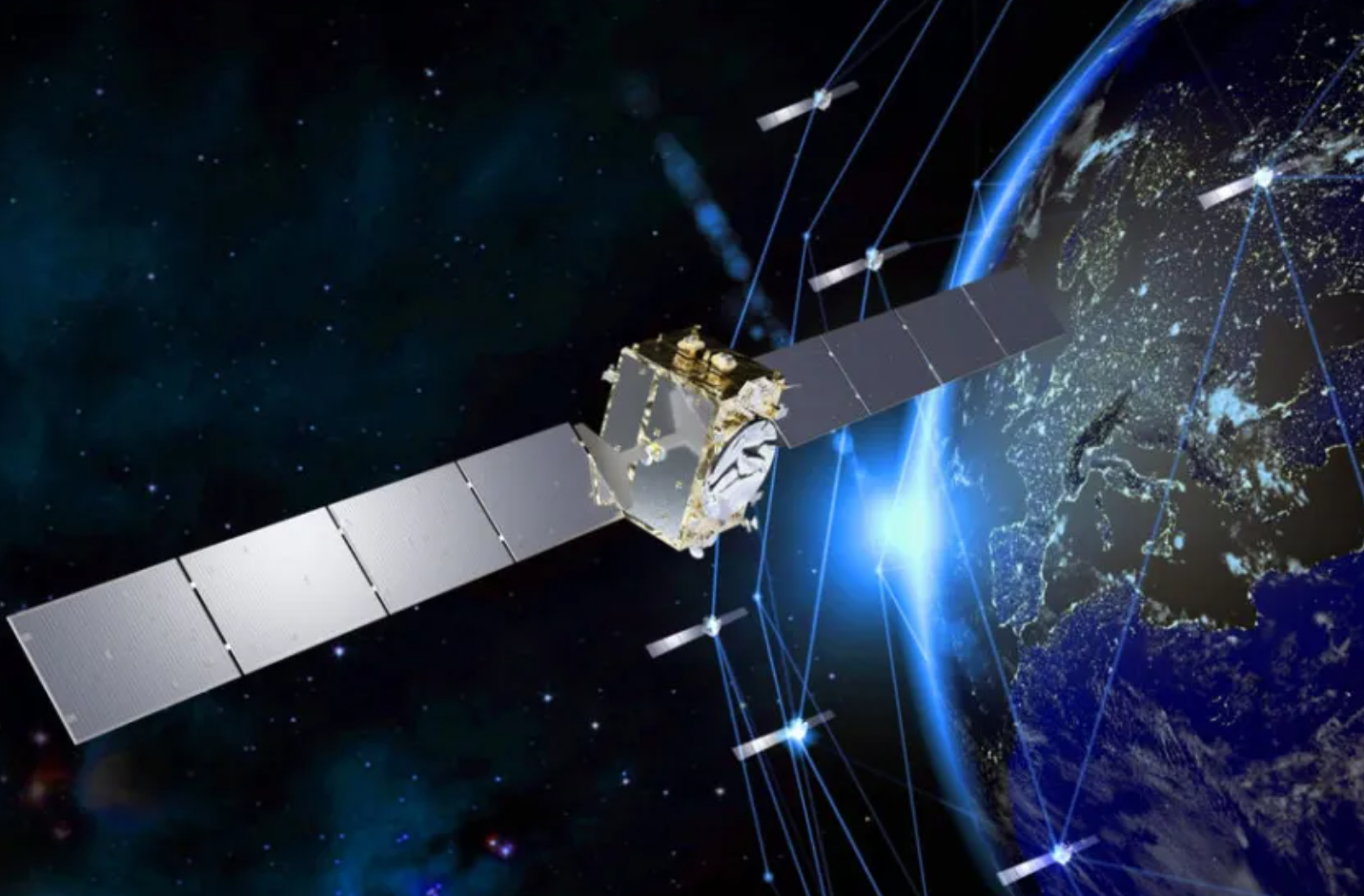
The mission will fly on EMPYREUM, SITAEL’s medium-class platform introduced last year and now positioned as the company’s flagship architecture for advanced Earth observation and dual-use applications.
During the press conference, ESA also highlighted the industrial credibility behind the proposal.
“The very first thing is science value,” ESA representatives explained during the event in Amsterdam, “but also technological maturity and the confidence we can have in the technology that you propose to implement.”
For a Scout mission operating under strict timelines, confidence in delivery becomes as important as innovation itself.
Beyond the Satellite Bus
What differentiates SITAEL from many competitors is not only platform ownership, but the attempt to control the entire mission chain.
During the conference, executives repeatedly returned to the idea of “end-to-end mission capability.” That includes platform manufacturing, propulsion, onboard processing, integration, testing and eventually downstream services and data applications.
The company currently operates two major industrial sites in Italy:
- Mola di Bari, where five satellites are simultaneously under construction in a 1,200 square metre clean room facility,
- and Pisa, home to one of Europe’s few dedicated Hall-effect electric propulsion production lines.
This infrastructure matters. Europe’s current institutional direction increasingly rewards industrial resilience alongside technical capability.
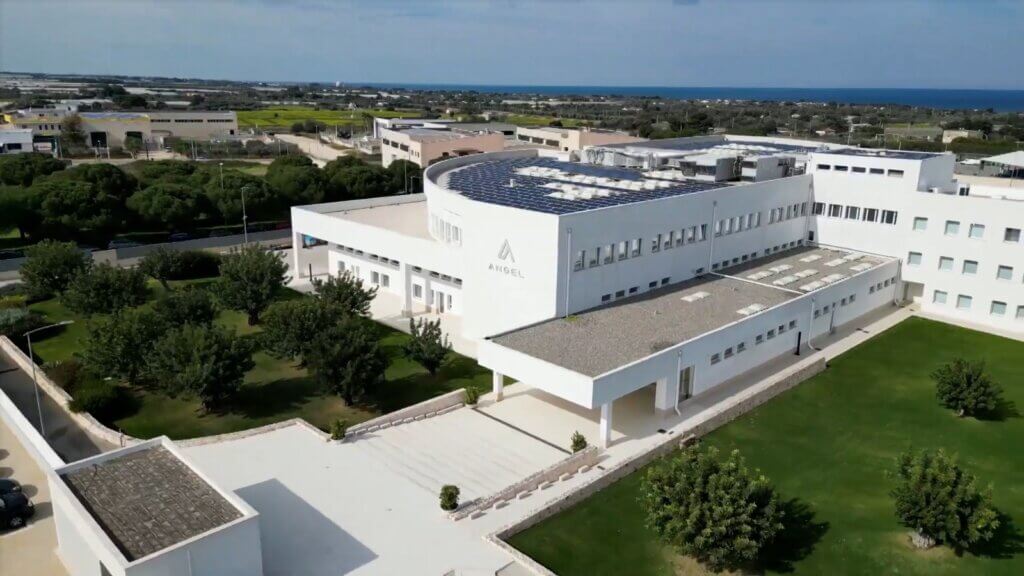
Throughout the presentation, Pertosa framed sovereignty as an industrial problem rather than simplifying it as a political ambition.
“You cannot have sovereignty if you cannot build,” she said. “You cannot have resilience if you depend on a fragile supply chain.”
Pertosas argument aligns closely with broader European discussions surrounding IRIS², ERS and future defence-related space architectures.
A Mission Built Around Biodiversity Intelligence
Scientifically, HiBiDiS aims to address a major limitation in current space-based biodiversity monitoring.
“Remote sensing satellites have become a major tool for measuring and understanding biodiversity-mediated processes on a large scale,” said Maria J. Santos from the University of Zurich. “Yet current spaceborne observations are dominated by the top of the canopy. What if we could observe the forest understory? This is the goal of ESA’s new Scout mission HiBiDiS.”
The mission’s hyperspectral instrument, developed by Belgian company AMOS, is designed specifically to support that objective.
“HiBiDiS is the kind of mission AMOS was built for,” said Arnaud Dartevelle, Managing Director of AMOS. “Ambitious science, an uncompromising schedule, and a first-class European team led by SITAEL.”
VITO, responsible for elements of the scientific data processing chain, also stressed the mission’s operational significance.
“Forests are changing faster than ever, yet much of their complexity remains hidden,” said Iskander Benhadj, Project Manager Remote Sensing at VITO. “HiBiDiS will give the scientific community an unprecedented view of both forest understory and overstory ecosystems from space.”
Scaling Carefully, Not Recklessly
One of the more notable aspects of the Amsterdam presentation was SITAEL’s rejection of the “hundreds or thousands of satellites” narrative dominating much of the commercial market.
When asked by SpaceWatch.Global about scale-up challenges, Pertosa openly questioned whether such production models are realistic or sustainable in Europe.
“We would like to be focused on high-value missions,” she said. “Reliable missions with advanced payloads and meaningful lifetime.”
That distinction may ultimately define SITAEL’s market positioning.
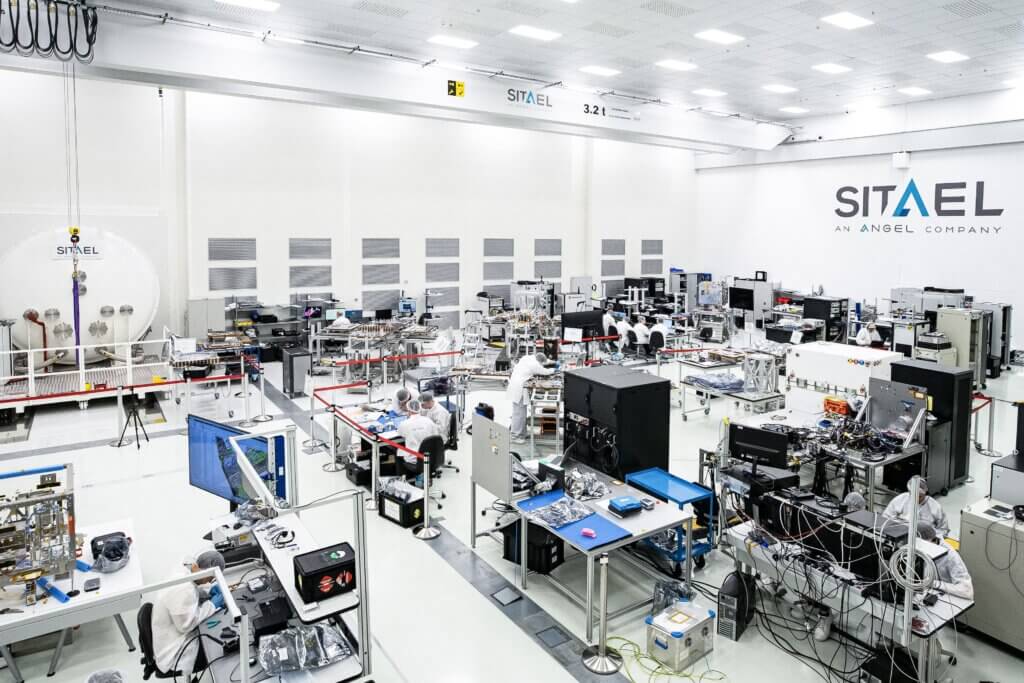
Rather than competing directly with ultra-high-volume constellation manufacturers, the company appears to be targeting the growing European demand for strategic infrastructure systems where reliability, technological control and operational performance outweigh satellite quantity.
The numbers presented during the conference support that approach:
- more than €150 million in backlog,
- nine launches planned between 2026 and 2030,
- revenue growth targets from roughly €60 million to €200 million by 2031,
- and continued investment exceeding €130 million over the next five years.
Importantly, SITAEL insists this expansion will remain industrially grounded.
“If there is no industrial plan, they’re just money,” Pertosa said when discussing investment strategy and possible partnerships.
In a European space sector increasingly balancing strategic autonomy, defence requirements and commercial pressure, that may be precisely the message SITAEL wanted Amsterdam to hear.