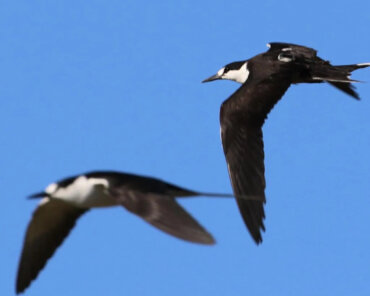
Ibadan, 13 January 2026. – German space startup TALOS and Bulgarian satellite manufacturer EnduroSat are collaborating to build the ICARUS 2.0 satellite constellation. The mission – also known as the “Internet of Animals” – is a research project by the Max Planck Society to monitor wildlife movements and environmental changes through advanced satellite technology.
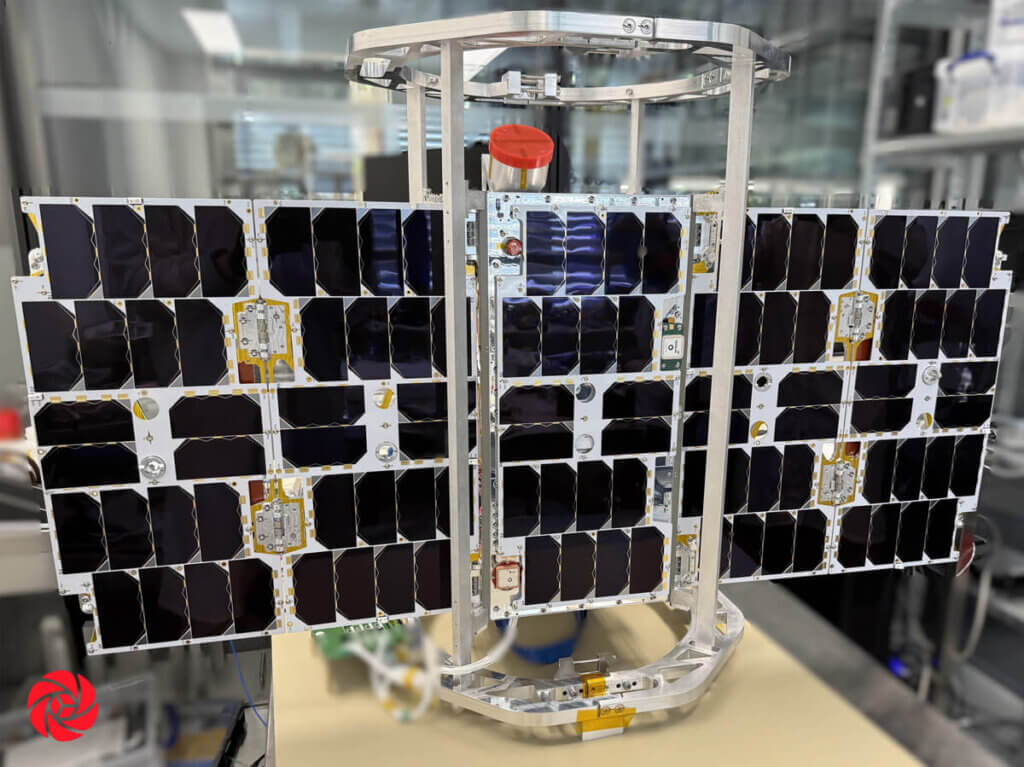
TALOS leads the mission design, operations and development of the tracking technology, while EnduroSat is providing the satellite platform as well as facilitating ground station access through its network of partners. On the other hand, the Max Planck Society, as the scientific lead, contributes its expertise in animal tracking

TALOS has been a close collaborator in the ICARUS project as a core technology partner for some time. However, with EnduroSat as a new industrial partner, it is now implementing the build-up of its own constellation. Following the successful launch of a technology demonstrator in November 2025, the operational build-up of the constellation has consequently begun.
Furthermore, the first operational satellite, RAVEN, will tentatively launch early this year, with four more satellites to launch towards the end of 2026 / beginning of 2027, to complement the constellation. Funded by the German Federal Ministry of Research, Technology and Space and the German Space Agency at DLR, the system will provide up to five daily updates on tracked animals around the globe after full deployment.
“With the upcoming launch of our first satellite, ICARUS 2.0 is moving from vision to reality,” said Gregor Langer, Co-Founder and CEO of TALOS. “Together with EnduroSat and the Max Planck Society, we’re leveraging space technology to better understand and protect life on Earth.”
ICARUS 2.0 builds on the legacy of the original ICARUS project, an international wildlife tracking system initially hosted on the International Space Station (ISS). After the original project was suspended in the wake of Russia’s invasion of Ukraine, TALOS replaced Roskosmos as a key partner, joining forces with the Max Planck Society to develop and launch a new satellite constellation.
By shifting to a dedicated satellite network, ICARUS 2.0 enables more frequent, cost-effective, and reliable data collection on animal movement, behavior, and environmental conditions.