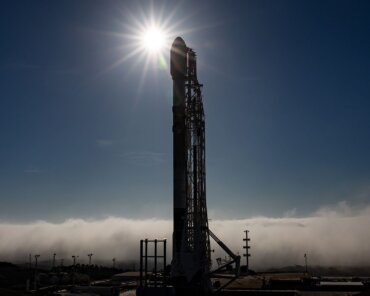
Ibadan, 3 December 2025. – The Transporter-15 mission has launched a satellite equipped with the ICARUS receiver into space, resuming the ICARUS pioneering project to track wildlife from space after a three-year pause, and opening a new chapter in the study of animal observation.
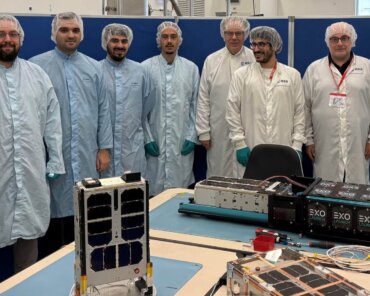
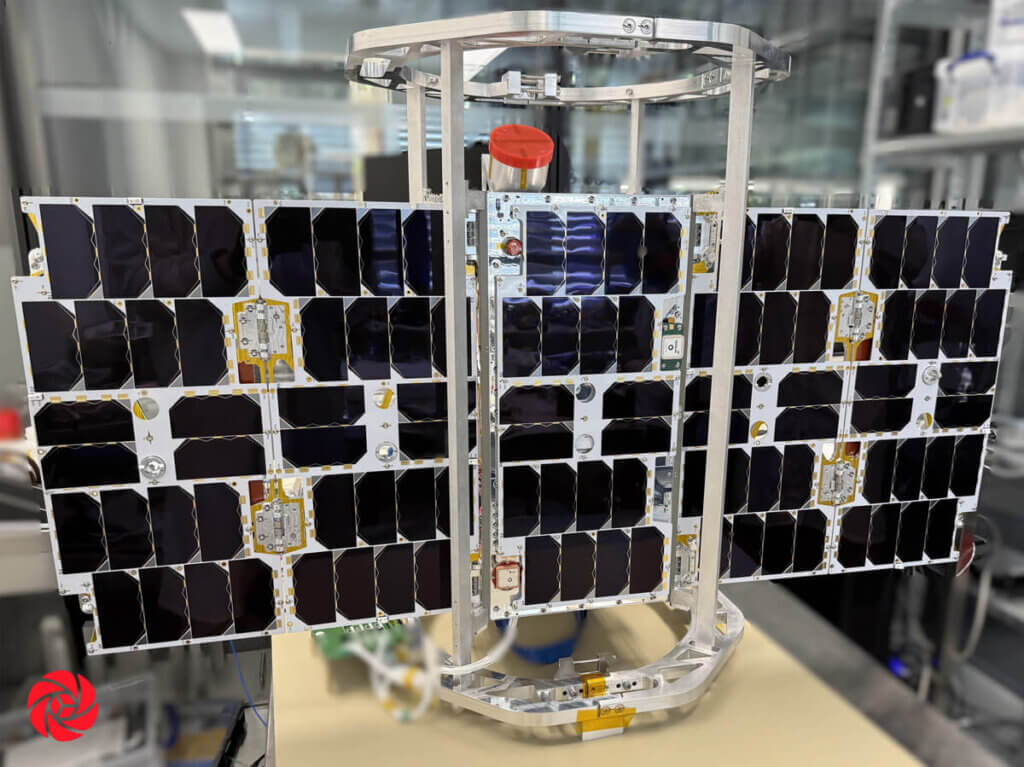
TALOS’ ICARUS receiver launched aboard the Gena-OT research satellite belonging to the University of the Bundeswehr Munich (UniBW) and built by OroraTech. After a three-month testing phase in orbit, ICARUS will subsequently resume satellite-based tracking of animals worldwide.

Once operational, ICARUS will establish a continuous link with miniature sensors on animals across the globe, enabling scientists to monitor the locations, behavior, health, and environmental conditions of species ranging from migratory birds and bats to sea turtles and large mammals.
Furthermore, the miniature sensors will transmit high-precision GPS data to the satellite, which will in turn relay it back to researchers on Earth. This bi-directional function means that scientists can remotely reprogram sensors without having to remove them from animals.
Consequently, and for the first time, ICARUS will offer full global coverage, a critical leap forward in understanding biodiversity, ecosystem health, and the impact of climate change.
“With ICARUS 2.0, we are building a truly planetary-scale observatory,” said Martin Wikelski, Director at the Max Planck Institute of Animal Behavior. “For the first time, we will be able to listen to the signals of animals worldwide in near real time, offering unique insights on biodiversity and environmental change.”
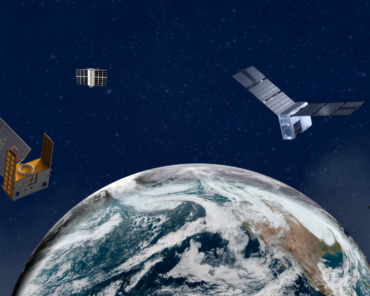
Additionally, TALOS is preparing a second receiver that will follow in 2026 and launch aboard an independent satellite from the Max Planck Society. More satellites are also already in the planning stage and together, they will form ICARUS 2.0, a constellation designed to deliver more frequent and higher-resolution data faster than ever before.