Understanding NATO’s Intelligence Challenges – A Conversation with Major General Paul Lynch
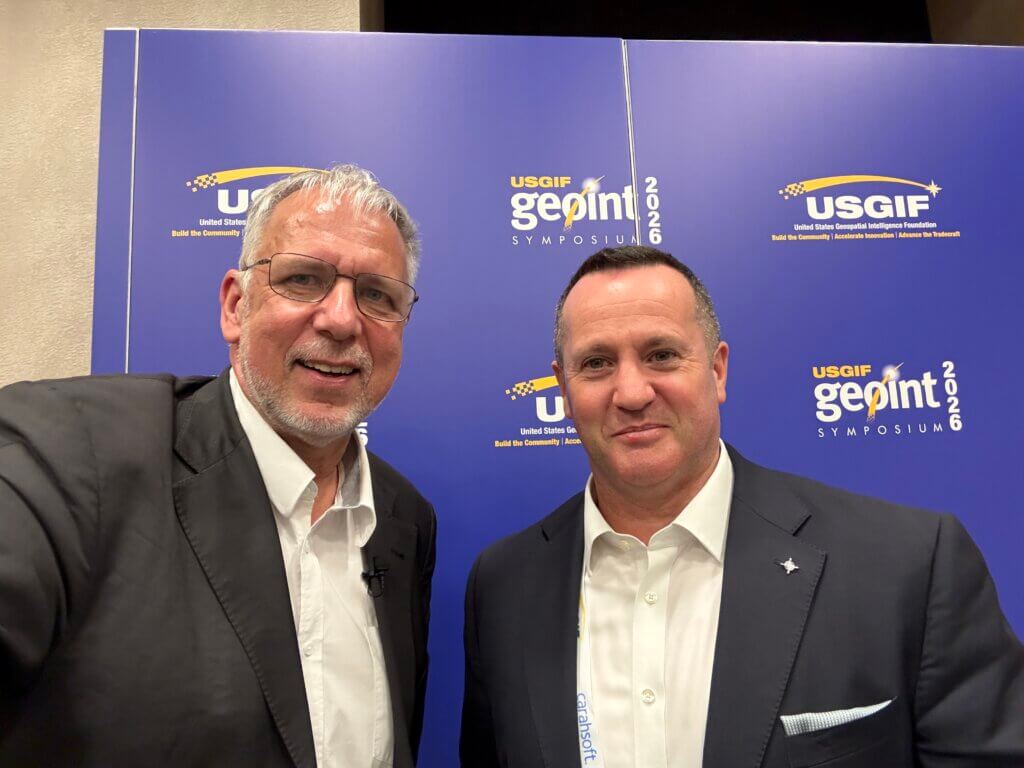
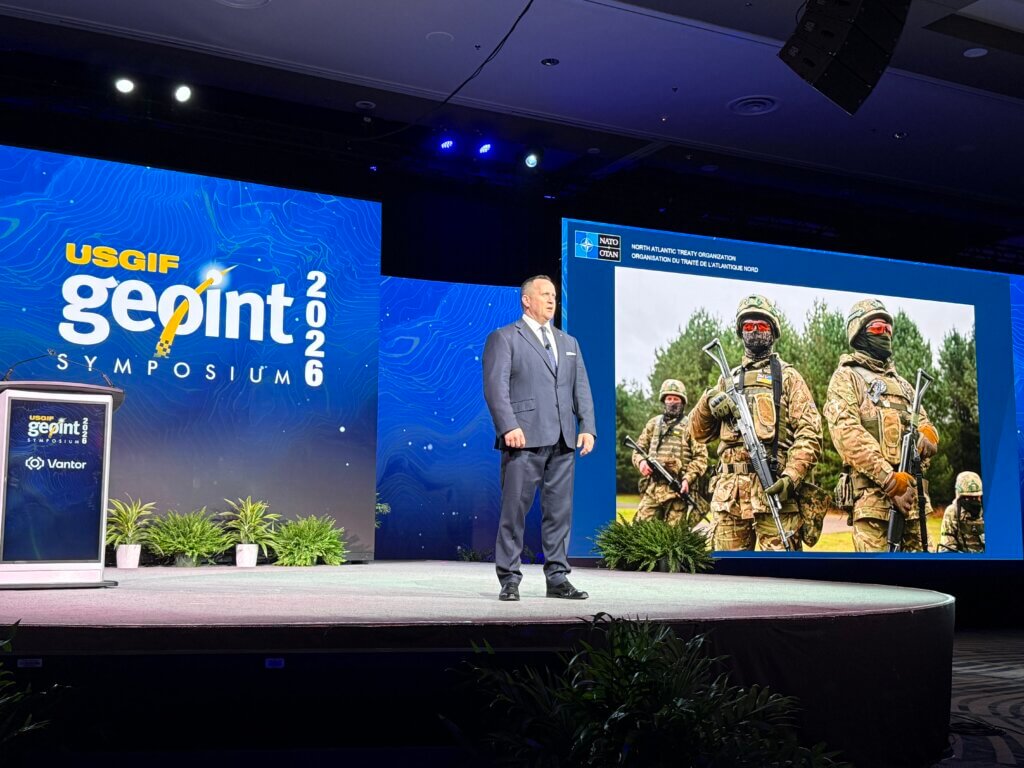
Recorded live at GEOINT 2026 in Aurora, Colorado, Torsten Kriening sits down with Major General Paul Lynch, Deputy Assistant Secretary General for Intelligence at NATO Headquarters, for a candid conversation built around the uncomfortable argument he had just delivered from the main stage: the alliance has the collection it needs – what it lacks is a pipeline to turn that collection into decisions at speed.



A Royal Marine with a 30-year career, Lynch leads a team drawn from across all 32 allies, producing the agreed intelligence that forms the baseline for NATO’s operational and defence planning. He explains what an “integration failure” really looks like through the lens of Ukraine, where systems that fused geospatial, open-source and electronic intelligence onto a single platform – and linked it directly to effect – multiplied battlefield effectiveness in a matter of months. Those lessons are now being captured systematically through JATEC, the first joint NATO–Ukraine centre, in Poland. The harder task, he stresses, is not spotting lessons but turning them into capability, doctrine and policy, while keeping the force adaptable for a future war that may look nothing like today’s.

The conversation moves across the alliance’s modernised deterrence posture and its enhanced vigilance activities – Eastern Sentry, Baltic Sentry and Arctic Sentry – the power and difficulty of consensus across 32 nations, and the increasingly central role of commercial GEOINT. Lynch points to NGA’s LUNO programme as a model for machine-driven, near-real-time intelligence, while arguing the real obstacle is not technology but data and trust: sharing by default, and commercial integration at scale, underpinned by common standards.
It ends on a reflective note. In his last GEOINT in this role, Lynch unpacks why he believes legacy is a comforting illusion, the value of the informal trust he calls HANDCON, and why, in the end, character matters more than reputation.