At Space Symposium 2026, Laura Todd and Torsten Kriening wrapped up an intense second day marked by candid discussions and shifting narratives across the space sector.
After a packed schedule, the tone on the ground was both exhausted and energised. The conversations were direct, at times uncomfortable, and increasingly focused on real-world implications rather than abstract ambition.

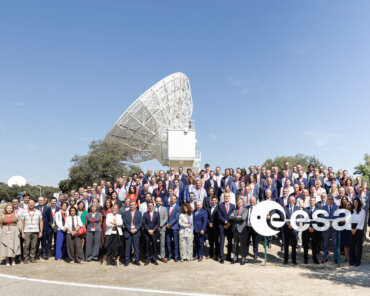
One of the clearest signals came from ESA leadership. Josef Aschbacher emphasized the need for Europe to fundamentally change how it operates, reflecting a broader recognition that traditional approaches are no longer sufficient in a faster-moving global environment.
At the same time, examples of international collaboration highlighted where progress is already happening. Partnerships such as those between European and Canadian companies are translating space capabilities into tangible impact on Earth, demonstrating how the sector is evolving beyond concept into application.
Security and defence themes also moved to the forefront. Discussions around deterrence, the role of commercial actors, and even the possibility of a Space Force presence on the Moon raised complex questions about governance and the future of existing frameworks such as the Outer Space Treaty.
Throughout the day, one underlying shift became increasingly visible. The conversation is moving away from long-term visions alone and toward operational capability and delivery.
As the symposium continues, the direction is becoming clearer.
The space sector is no longer defined by what it plans to do, but by what it can deliver.