Ibadan, 9 January 2026. – NASA has awarded Astroscale U.S., a study to explore how serviceability can enhance the scientific returns and operational lifetime of the Agency’s Habitable Worlds Observatory (HWO) mission concept. The concept seeks to directly image Earth-like planets around stars like our Sun and study the chemical composition of their atmospheres for signs of life.
HWO will be the first telescope designed specifically to search for signs of life on planets orbiting other stars. For the first time, NASA is considering the service architecture along with the mission architecture, ensuring the corresponding service requirements make their way into the final design and keeping operations going for generations.

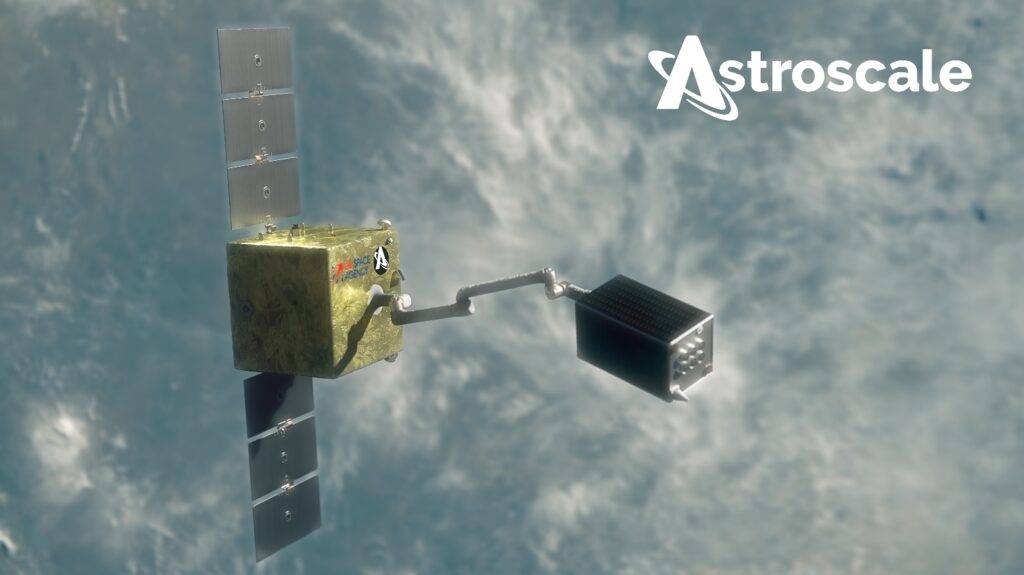
The Astroscale U.S. study will thereby explore incorporating its pioneering on-orbit servicing capabilities to:
- · Reduce the program’s risk;
- · Enhance its scientific return;
- · Optimize resource utilization;
- · Minimize observatory downtime; and
- · Maximize maintenance and upgrade opportunities.
“The Habitable Worlds Observatory is a generational asset for all humankind,” said Dr. Clare Martin, Astroscale U.S. Executive Vice President. “By planning for long-term maintenance, repairs, and upgrades, NASA can maximize investment in science and discovery for some of humanity’s biggest questions. We are thrilled to be part of that effort.”
The study will subsequently last for three years and assess various servicing location strategies, comparing the technical and operational implications of conducting servicing operations at Earth’s second Lagrange Point (L2) vs. in cis-lunar space.
The study will also identify areas where NASA can work with commercial partners to explore how servicing can help NASA deliver the scientific benefits of HWO to the U.S. taxpayer and extend those benefits through maintenance and upgrade opportunities.
By leveraging mission heritage and dedicated expertise, Astroscale U.S. will develop protocols and service architectures for the unique needs of HWO, such as protecting sensitive instruments, component replacement, and refurbishment during operations.