By Rhonda Truett
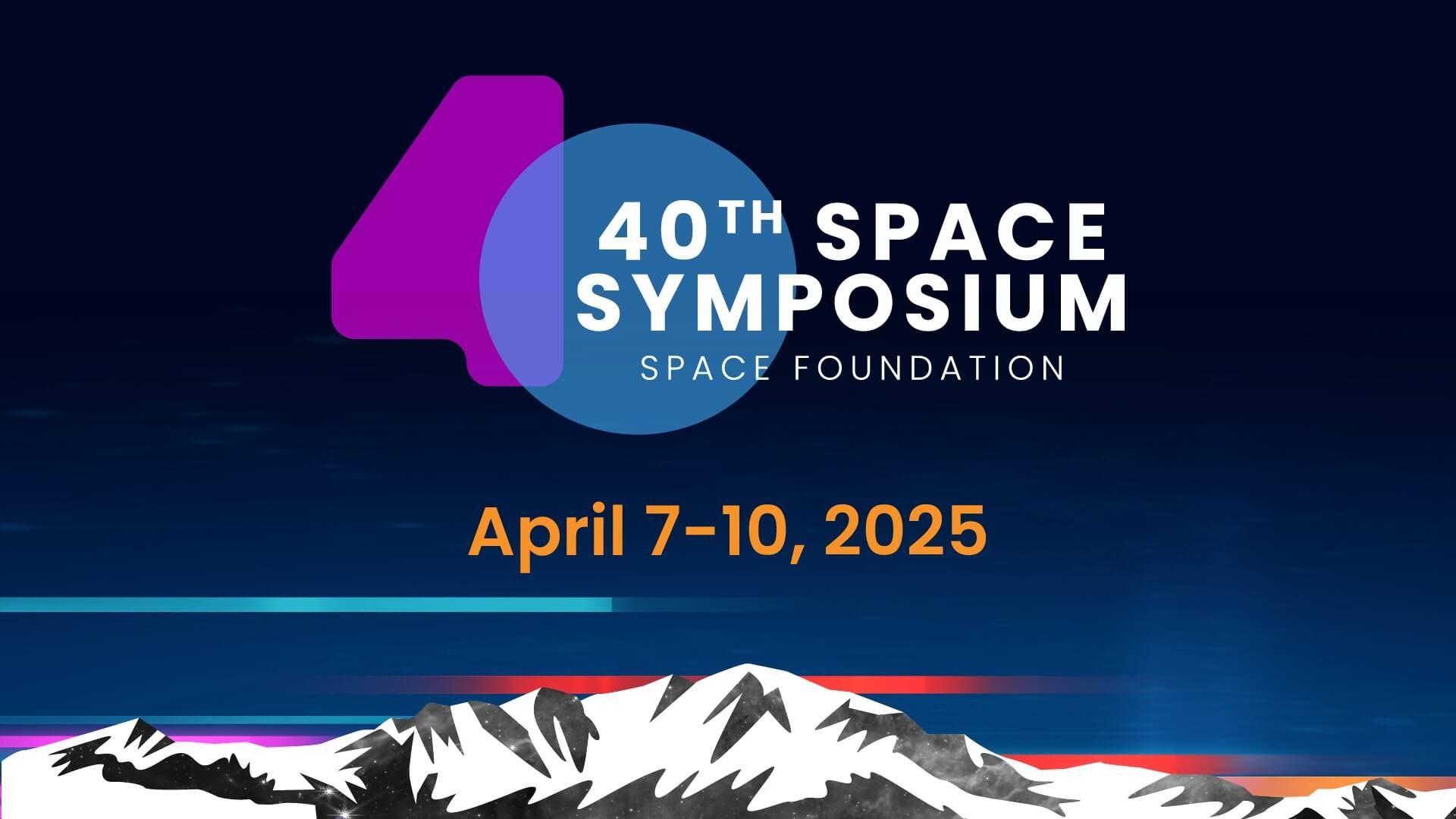
Space Foundation’s Space Symposium is well known for its important discussions, high-profile speakers and panels, and breaking news moments, but it is its exhibits floor that may be the most memorable.
For those of us behind the scenes who bring all of those pieces together, organizing the exhibits is no small task. As director of global sales at Space Foundation, I lead the team responsible for curating Space Symposium’s exhibit space. This involves everything from selecting the exhibitors to designing the layout of the halls and ensuring that each exhibit is positioned in a way that highlights the innovation and excitement of the space industry. With Space Symposium just around the corner on April 7-10, 2025, in Colorado Springs, let me share a little about what goes into creating an exhibit experience like no other and how Space Foundation ensures it remains at the forefront of the space community.
The process of curating the Symposium exhibit hall actually starts immediately after the current event wraps up. We begin working on booth assignments for the following year right after the last attendee leaves the exhibit space. It is a year-round process, and it starts with our Priority Point System. This system rewards exhibitors for their consistent participation in Space Symposium as well as their corporate membership and sponsorship year after year. The more points a company accumulates, the higher their priority when it comes time to select their exhibit space.

The Priority Point System ensures that we are rewarding long-term commitment to Space Symposium. It also means that we are creating an environment that represents the best and brightest of the global space community. When assigning booths, we start with the exhibitor that has the highest number of priority points and work our way through all booth assignments. After we fill both exhibit halls, we create a waitlist.
It’s a fair system, but it’s also one that encourages new companies to participate. While long-standing exhibitors have priority, newcomers to the space industry still have the opportunity to be part of the Space Symposium experience. Any time you bring someone new into an environment, they always bring new ideas and innovations to the table. After all, Space Symposium is the place for the latest and greatest in space exploration and business, and that means staying open to emerging technologies and fresh perspectives.
One of the most challenging aspects of curating the Space Symposium exhibit experience is balancing the demand for physical space with the need to create an engaging, accessible environment for all the attendees. Space Symposium is a massive event, and the exhibit floor can quickly become overwhelming if it is not managed carefully. Throughout the years, we’ve learned that an overcrowded hall can lead to confusion, frustration, and missed opportunities to showcase what’s happening with today’s (and tomorrow’s) space leaders.
That’s why it’s so important for my team to work collaboratively with our Space Foundation teammates to ensure that the exhibitor mix is not only diverse but also meaningful. That means striking a balance between commercial, civil, national security, and international space representatives. The space industry is global, and each sector brings something unique to the table, whether it’s in satellite technology, space tourism, or national defense. By carefully curating the exhibitors, we make sure the exhibit floor remains engaging, informative and easy to navigate.
At the same time, we are mindful of the exhibit area itself. It’s important to keep the halls open, accessible and moving so attendees aren’t overwhelmed by the sheer volume of exhibitors. The flow of the exhibit halls is just as crucial as the content on display, and my team spends months planning how the exhibit area will feel and function.
Once the exhibitor list and layout are finalized, we begin the work of designing the exhibit floor. This includes ensuring each booth is visually appealing and fits within the overall aesthetic of the event. We work closely with exhibitors to ensure their designs align with the theme of Space Symposium and meet the International Association of Exhibitions and Events (IAEE) rules and regulations, which guarantees a level of consistency and professionalism across the floor.
For booths larger than 400 square feet, we require exhibitors to submit their designs for approval at least six weeks before Space Symposium opens. This allows us to ensure that everything from signage to lighting is in line with our standards and enhances the overall experience. The design process is about more than just making the space look good — it’s about ensuring that each booth showcases the exhibitor’s products and innovations in the best possible light, drawing attention and creating lasting impressions.
Once the event concludes, the work doesn’t stop. We send out surveys to all of the exhibitors and attendees to gather feedback on every aspect of their Space Symposium experience. What worked? What didn’t? How can we improve for next year? We take this feedback seriously, reading every comment and using them to refine our processes for the following year. It’s an ongoing cycle of improvement that ensures we continue to provide the best possible experience for all those involved.
For Space Foundation and the space community at large, the 40th anniversary of Space Symposium is a significant milestone. Having been part of it for so many years, I’m reminded of how much the space community has changed and how much more there is to explore. We’re on the brink of new discoveries, new technologies, and new ways to experience space. And as the exhibit floor takes shape, I am proud to know that Space Foundation is helping to showcase the innovations that will take humanity further into the stars.

Rhonda is the Senior Director of Global Sales and joined the Space Foundation in August 2008 as the National Sales Manager. Rhonda has grown this role of Senior Director of Global Sales with sales experience worldwide. Rhonda leads the Exhibit Team and is responsible for achieving set revenue goals every year by selling exhibit space, upselling Corporate Membership and Sponsorship at the Space Symposium. Rhonda manages end-to-end exhibit agreement execution, exhibit hall floorplan design, exhibit booth compliance with Symposium rules & regulations as well as enforcing Fire Marshall restrictions, financial matrix and customer retention. Rhonda supervises the exhibit team staff and assists corporate partners in achieving their strategic goals. Before coming to the Space Foundation in 2008, Rhonda served as the Vice President of Licensing for the Professional Bull Riders, Inc. for 10 years and was responsible for the Licensing program, managing a six-person team and negotiating over $3,000,000 annually in licensed product sales worldwide. Rhonda earned her degree from Central Texas College and holds her CEM, Certificate of Exhibition Management as well as her Advanced Professional designation. When not working, Rhonda enjoys running, swimming, biking, hiking, skiing, and anything outdoors. When she is not doing an outdoor activity, Rhonda likes spending time her dog as well as curling up with a really good book.